Para equipos de RRHH, Personas y Cultura y L&D en agencias de la ONU, ONG y organizaciones internacionales. Impartido en inglés, francés y español, de forma presencial, virtual o combinada, en más de 50 países.
La confianza de equipos directivos en
WHO · UNICEF · UNOPS · UNHCR · Airbus · Chanel · LinkedIn · Orange
Un recorrido, no solo una capacitación
La mayoría de las capacitaciones en liderazgo se quedan en la toma de conciencia
Los equipos de hoy son más diversos y cambian más rápido que nunca: generaciones, culturas y formas de trabajar distintas.
Las personas salen de la sala inspiradas, y nada cambia en cómo lideran a su equipo el lunes siguiente. Este programa está diseñado para organizaciones que ya superaron esa etapa. Ya saben que el liderazgo inclusivo importa. Lo que necesitan es una forma de traducirlo en práctica de gestión diaria durante los meses que toma consolidarlo, y una forma de demostrarle a su junta directiva, a sus donantes o a su dirección que está funcionando.

¿Qué es el liderazgo inclusivo?
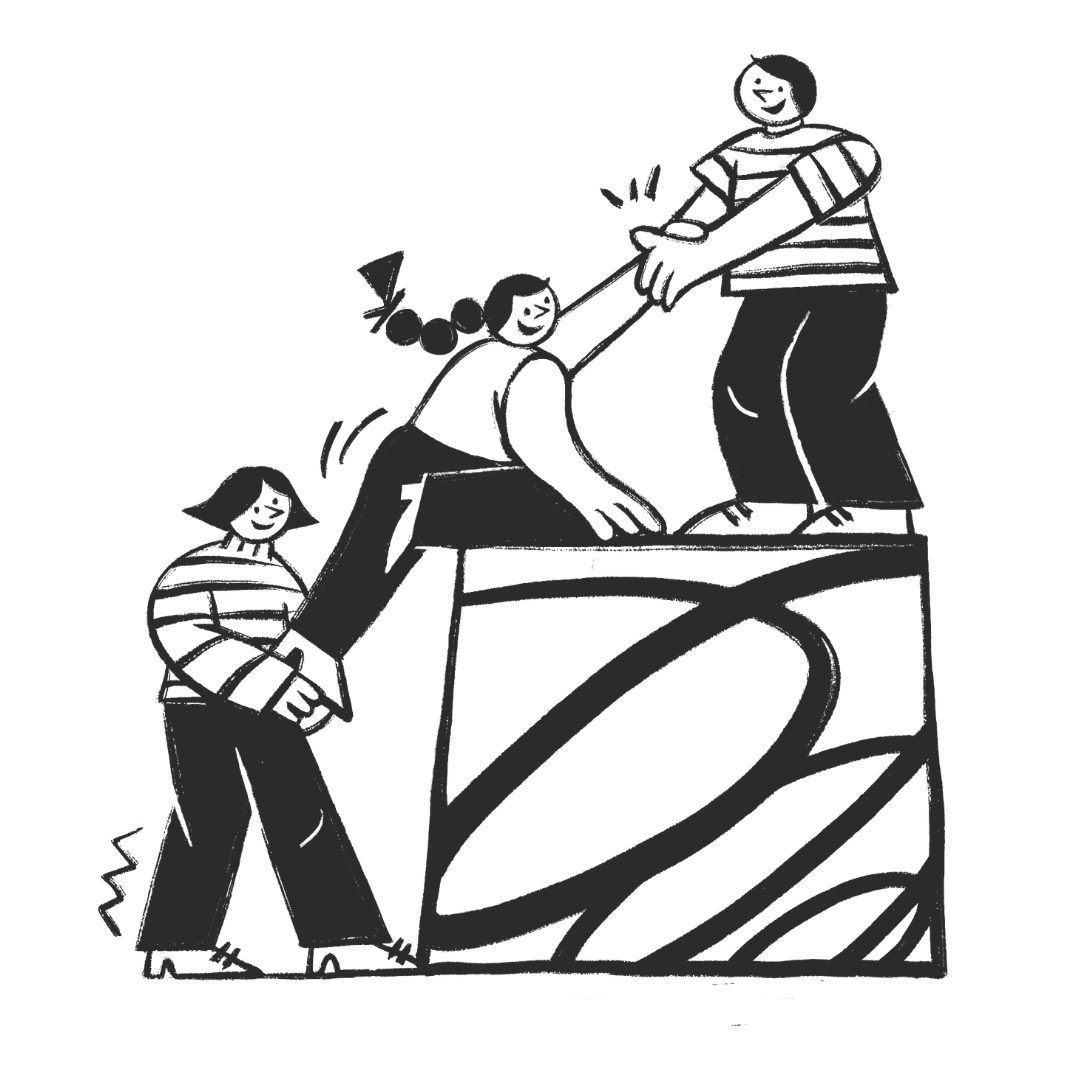
El liderazgo inclusivo es la práctica de crear las condiciones para que personas con antecedentes, perspectivas y formas de pensar diferentes puedan contribuir, manteniendo expectativas claras y decisiones eficaces.
En Shiftbalance lo entendemos como un conjunto de comportamientos de gestión observables, no como una mentalidad o una declaración de valores. Se manifiesta en quién habla primero en una reunión, cómo se maneja el desacuerdo, cómo se recibe la retroalimentación, cómo se toman las decisiones, y si la responsabilidad y la seguridad psicológica pueden coexistir.
“El liderazgo inclusivo no es lo que crees. Es cómo lideras.”
Diseñado para el momento que atraviesa su organización
La mayoría de las personas no son ascendidas porque sepan gestionar personas. Este programa encuentra a los mandos medios donde realmente están.

- Mandos medios ascendidos por su experiencia técnica que ahora necesitan un verdadero conjunto de herramientas de liderazgo de personas.
- Una reorganización, reestructuración o transición de liderazgo que está cambiando la forma en que trabajan los equipos.
- Un diagnóstico de seguridad psicológica o de compromiso que ha revelado brechas concretas.
- Mandos medios que evitan las decisiones difíciles, recurren al consenso por defecto, o dan retroalimentación en una sola dirección.
- Equipos multiculturales, intergeneracionales, neurodivergentes o híbridos que necesitan un liderazgo más adaptativo.
- Una dirección que quiere evidencia de cambio de comportamiento, no solo asistencia a la capacitación.
Por qué nosotras
Práctica, no promesas. Herramientas, no teoría. Evidencia, no solo una sensación.
Four things set this programme apart from a standard leadership course.
01
Un diagnóstico que dice la verdad primero
Antes de que empiece una sola sesión, escuchamos. Entrevistas con partes interesadas y una encuesta rápida revelan lo que realmente está pasando, y el programa se diseña según lo que encontramos, no se entrega listo de fábrica.
02
Práctica, no promesas
Los mandos medios aplican herramientas a situaciones reales de su equipo entre sesiones, y luego regresan a reflexionar sobre qué funcionó, qué no, y qué ajustar.
03
Herramientas, no teoría
Los participantes se llevan tarjetas de retroalimentación, una plantilla de derechos de decisión y una lista de verificación de reuniones neuroinclusivas que pueden usar en su próxima reunión.
04
Evidencia, no solo una sensación
Datos de referencia, objetivos de coaching y una medición al final del programa muestran qué cambió, y un debrief con la dirección señala qué sostener.
Un recorrido de liderazgo, no un taller puntual
Seis etapas llevan a los mandos medios desde la autoconciencia hasta un cambio de comportamiento medible y cotidiano.
1
Diagnosticar
Entrevistas con partes interesadas, encuesta rápida y autoevaluación de cada mando medio.
2
Aprender
Siete módulos aplicados, basados en investigación y situaciones de gestión reales.
3
Practicar
Herramientas probadas en el propio equipo de cada mando medio entre sesiones.
4
Recibir coaching
El coaching individual convierte la autoconciencia en un plan enfocado.
5
Aplicar
Un compañero de práctica entre pares y casos reales mantienen la responsabilidad de los nuevos hábitos.
6
Medir
Los datos previos y posteriores al programa muestran qué cambió, y qué sigue.
Siete módulos, una sola práctica de liderazgo
La facilitación llega temprano, porque el liderazgo inclusivo se vive en los espacios cotidianos que crean los mandos medios: reuniones, llamadas, decisiones y conversaciones difíciles.
01
Conócete como líder
El liderazgo inclusivo empieza con la autoconciencia, no con una lista de verificación.
+
- Encuesta de Liderazgo Inclusivo: ¿qué tipo de líder eres hoy?
- Tu recorrido de liderazgo: inclusión, exclusión, poder y pertenencia..
- Fortalezas personales, puntos ciegos y objetivos de coaching.
- Parejas de práctica entre colegas establecidas para todo el recorrido.
02
Facilitación para equipos inclusivos
Dirigir la sala para que personas diferentes puedan realmente contribuir.
+
- Diseño de reuniones inclusivas para equipos presenciales, virtuales e híbridos.
- Leer la dinámica de grupo, los patrones de participación y el poder en la sala.
- Técnicas de participación que no privilegian la voz más fuerte.
- Intervenir cuando alguien domina, se retrae o el desacuerdo se vuelve inseguro.
03
Seguridad psicológica con responsabilidad
Hablar con franqueza y mantener estándares altos, al mismo tiempo.
+
- La seguridad psicológica en la práctica, de la investigación al hábito cotidiano.
- Retroalimentación, mapeo de derechos de decisión y retrospectivas sin culpa.
- Dónde termina la seguridad psicológica y dónde empieza la responsabilidad.
- Normas de comportamiento claras, sin conformidad forzada.
04
Liderar en un mundo diverso y cambiante
Adaptar tu liderazgo al equipo que tienes delante.
+
- Dinámicas de poder y de quién tiene más peso en la conversación.
- Liderar equipos multiculturales e intergeneracionales.
- Distintas expectativas sobre jerarquía, retroalimentación y toma de decisiones.
- Diagnosticar tu propio equipo y elegir un enfoque más adaptado.
05
Neurodiversidad e inclusión cognitiva
Ajustes prácticos para cómo distintas mentes procesan el trabajo.
+
- Función ejecutiva, carga sensorial, tiempo de procesamiento y preferencias de comunicación.
- Ajustes prácticos en reuniones, instrucciones, flujos de trabajo y retroalimentación.
- Reducir la presión de enmascaramiento y la adaptación en un solo sentido.
- Conversaciones de ajuste que no requieren divulgación formal.
06
Conflicto, tensión y conversaciones difíciles
La inclusión no es lo mismo que evitar el desacuerdo.
+
- Reconocer el desacuerdo productivo frente a la tensión de equipo no resuelta.
- Preparar y facilitar conversaciones difíciles.
- Retroalimentación que llega bien, a través de culturas y generaciones.
- Desescalada, fundamentos de mediación y cuándo recurrir a apoyo externo.
07
Consolidación y medición
Hacer que los otros seis módulos sobrevivan después de terminado el programa.
+
- Convertir comportamientos en indicadores observables y monitoreados.
- Estructuras de responsabilidad de los mandos medios y cadencia de seguimiento.
- Planes de acción personales y de equipo para los próximos 90 días.
- Debrief con la dirección: qué cambió, qué todavía necesita atención, y qué sigue.
Coaching individual
Un recorrido personalizado, no solo un plan de estudios compartido
El coaching individual convierte la autoconciencia en un plan enfocado y adaptado a cada mando medio, en lugar de un plan de estudios único para todos. Como nuestros coaches y facilitadores están presentes en todos los continentes, la ejecución se adapta a los idiomas, husos horarios y contexto cultural de sus equipos.
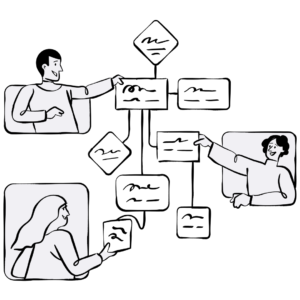
El recorrido de seis meses es nuestro formato recomendado y transformador. Hay formatos más cortos disponibles cuando el contexto exige una intervención más concentrada. Cada formato se imparte en inglés, francés o español, de forma presencial, virtual o combinada.



Construido por personas que han liderado bajo presión real
Shiftbalance ha implementado programas de desarrollo de mandos medios y liderazgo dentro de oficinas de la OMS en proceso de reubicación, equipos de UNOPS construyendo una nueva estrategia de inclusión, ACNUR durante una reorganización a gran escala, y cohortes de Airbus Leadership University en Francia, España y Alemania.
En entornos muy distintos, el patrón se repite: los equipos atraviesan mejor la presión cuando los mandos medios saben crear seguridad psicológica, adaptarse a mentes y culturas diferentes, facilitar conversaciones difíciles y exigir responsabilidad sin cerrar el diálogo.
Líder del programa: Aurélie Salvaire, Fundadora de Shiftbalance, es coach certificada PCC, graduada de HEC Paris, facilitadora, mediadora laboral y autora publicada, con 20 años de experiencia en Personas y Cultura en contextos de la ONU, ONG y corporativos.

“Aurélie tiene un conocimiento y una experiencia excepcionales en el desarrollo de módulos de formación dinámicos y atractivos para nuestros líderes internacionales. Es muy profesional en su enfoque y se toma el tiempo de desarrollar un programa adaptado a las necesidades del equipo.”
Kathryn O’Chieng, Jefa de RRHH, Oficina Regional de la OMS para Europa
Con qué se queda tu organización
- Entrevistas con partes interesadas y/o diagnóstico rápido previo al programa, con informe de patrones.
- Autoevaluación de los participantes y objetivos de crecimiento individuales.
- Plan de estudios de facilitación completo, cuaderno del participante y ejercicios de casos aplicados.
- Kit de herramientas del mando medio: herramientas de retroalimentación, plantilla de derechos de decisión, lista de verificación de reuniones neuroinclusivas.
- Coaching individual y estructura de práctica entre pares para el recorrido insignia.
- Informe de medición posterior al programa, debrief con la dirección y próximos pasos recomendados.
- Un marco de acción reutilizable de 90 días para sostener el cambio de comportamiento.
Preguntas frecuentes
¿Qué hace que este programa sea distinto de una capacitación en liderazgo estándar? +
La capacitación en liderazgo estándar suele transmitir conceptos o marcos teóricos. Este programa está construido en torno al cambio de comportamiento: los mandos medios diagnostican sus propios patrones, practican con casos reales, reciben coaching, prueban nuevos comportamientos entre sesiones y regresan con evidencia de lo que ocurrió. La inclusión no es un extra opcional; es una condición para un liderazgo eficaz. El coaching individual lo convierte en un recorrido personalizado en lugar de un plan de estudios compartido, y como nuestros coaches y facilitadores están presentes en todos los continentes, la ejecución se adapta a los idiomas, husos horarios y contexto cultural de sus equipos.
¿Es solo para mandos medios ya interesados en la inclusión? +
No. El programa está diseñado para mandos medios que necesitan liderar equipos diversos con eficacia, sea cual sea el lenguaje que usen hoy para ese desafío. Es práctico, no genera culpa y se centra en lo que funciona en equipos reales.
¿El programa puede impartirse en varios idiomas? +
Sí. Shiftbalance facilita en inglés, francés y español, y puede trabajar con cofacilitadores locales en otros idiomas. Se pueden diseñar cohortes en idiomas paralelos para organizaciones multinacionales.
¿Cómo apoyan la accesibilidad? +
Adaptamos los materiales, los métodos de facilitación y las opciones de participación a las necesidades de la cohorte, incluyendo a participantes con necesidades auditivas, visuales u otras necesidades de acceso. La accesibilidad se aborda durante el diseño del programa, no el día de la entrega.
¿Cómo se mide el impacto? +
A través de un diagnóstico previo al programa, autoevaluación de los participantes, objetivos individuales, experimentos de comportamiento observables, medición rápida y un informe posterior al programa centrado en qué cambió, qué no, y qué sostener.
¿Este programa se puede combinar con otras ofertas de Shiftbalance? +
Sí. Las extensiones comunes incluyen Habilidades de Facilitación y Formación de Formadores, Neurodiversidad para Mandos Medios, trabajo de Seguridad Psicológica, coaching ejecutivo e IA para RRHH.
¿El programa es virtual, presencial o híbrido? +
Los tres son posibles. Recomendamos el formato según el tamaño de la cohorte, la geografía, el contexto organizacional y la profundidad de cambio de comportamiento deseada.
¿Es adecuado tanto para líderes senior como para mandos medios? +
Sí. El Intensivo Ejecutivo puede adaptarse para equipos de dirección senior, mientras que el modelo de cohorte insignia está diseñado para el desarrollo sostenido de mandos medios.
Hablemos
Si tus mandos medios están listos para ir más allá de la capacitación en liderazgo y adoptar una forma de liderar que perdure, nos encantaría conversar. Reserva una llamada diagnóstica de 30 minutos o solicita una propuesta a medida, y te responderemos dentro de dos días hábiles.
Direct email susan@shiftbalance.org
ENFRES